How to Prevent Knowledge Loss When Employees Leave

When an employee leaves a company, they don't take only their laptop, skills, and experience with them.
They may also leave with years of knowledge about clients, projects, processes, tools, and decisions.
For agencies, this can be even more significant.
An account manager may know exactly how a client likes to work. A designer may know where every approved brand asset is stored. A marketing specialist may know which tools, campaigns, and processes belong to a particular client.
When that knowledge isn't documented or organized, the agency can suddenly find itself asking:
“How did they do this?”
“Where is that file?”
“Which version is correct?”
“What did the client approve?”
This is known as knowledge loss, and it can create unnecessary disruption when employees leave.
The good news is that much of it can be prevented.
What Is Knowledge Loss?
Knowledge loss happens when important information, experience, or context leaves an organization because it was never properly documented, shared, or organized.
It can include:
-
Client preferences
-
Project history
-
Brand information
-
Processes and workflows
-
File locations
-
Important contacts
-
Tool access and resources
-
Previous decisions
-
Lessons learned
-
Internal know-how
Some knowledge is written down.
A lot of it isn't.
That's where the problem starts.
Why Agencies Are Especially Vulnerable
Agencies often manage several clients simultaneously, with different teams working across different projects.
A single employee may know:
Client A's brand requirements
-
Client B's approval process
-
Client C's campaign history
-
Where each client's important files are stored
That information can become highly dependent on individuals.
When someone leaves, the agency doesn't just lose a team member. It can lose part of the context behind the work.
1. Document Important Processes
Don't rely on experienced employees to explain everything verbally.
Document repeatable processes such as:
-
Client onboarding
-
Campaign launches
-
Content approvals
-
File delivery
-
Reporting
-
Brand asset management
-
Project handovers
Keep the documentation simple and practical.
A new employee should be able to follow the process without needing the original employee beside them.
2. Create a Central Knowledge Base
Important information should have a clear home.
Instead of keeping knowledge across personal documents, emails, chat messages, and random folders, create a centralized place for company and client information.
This could include:
Client information
Project documentation
Brand guidelines
Standard operating procedures
Important contacts
Templates
Useful resources
The goal is to turn individual knowledge into organizational knowledge.
3. Organize Knowledge Around Clients
For agencies, organizing information by client can be particularly effective.
Instead of storing information in completely separate systems, create a consistent structure for every client.
For example:
Client
→ Brand
→ Guidelines
→ Assets
→ Documents
→ Projects
→ Tools
→ Important Links
→ Notes
When someone new takes over the account, they don't have to reconstruct the client's digital environment from scratch.
4. Don't Let Critical Information Live Only in Chat
Teams often make important decisions in Slack, Microsoft Teams, or other messaging platforms.
The conversation may be useful at the time, but it can become difficult to find months later.
When an important decision is made, capture the outcome somewhere more permanent.
For example:
Decision: New logo approved
Date: June 12
Approved by: Client
Final asset: Link to the approved file
The conversation can remain in chat.
The important knowledge should have a permanent home.
5. Make File Locations Obvious
One of the biggest forms of knowledge loss is surprisingly simple:
Nobody knows where the files are.
An employee may know exactly where the client's brand guidelines or approved logo are stored.
After they leave, everyone else has to search.
Create a consistent system for important files so their location doesn't depend on someone's memory.
6. Capture the “Why,” Not Just the “What”
Documentation often explains what to do.
Good knowledge management also captures why something was done.
For example:
“Use the white logo on dark backgrounds.”
is useful.
But:
“The white logo is used on dark backgrounds because the client approved it specifically for high-contrast applications.”
provides more context.
The more important the decision, the more valuable that context becomes.
7. Start Knowledge Transfer Before Someone Leaves
Knowledge transfer shouldn't begin on an employee's final day.
For important roles, start early.
Ask the employee to document:
-
Current responsibilities
-
Active projects
-
Important clients
-
Outstanding tasks
-
Key contacts
-
Frequently used resources
-
Processes
-
Known issues
-
Important decisions
This creates a smoother transition and gives the rest of the team time to ask questions.
8. Avoid Single-Person Dependencies
A healthy organization shouldn't have only one person who knows how something works.
For critical client accounts and processes, make sure knowledge is accessible to more than one person.
Cross-training helps reduce risk.
The goal isn't for everyone to know everything.
It's to make sure critical knowledge doesn't depend on one individual.
9. Review and Update Knowledge Regularly
Old knowledge can be almost as problematic as missing knowledge.
A client may change its brand.
A process may change.
A tool may be replaced.
A previous decision may no longer apply.
Review important documentation regularly and archive information that is no longer relevant.
A knowledge base should be a living system, not a digital graveyard.
10. Build a Central Workspace for Client Knowledge
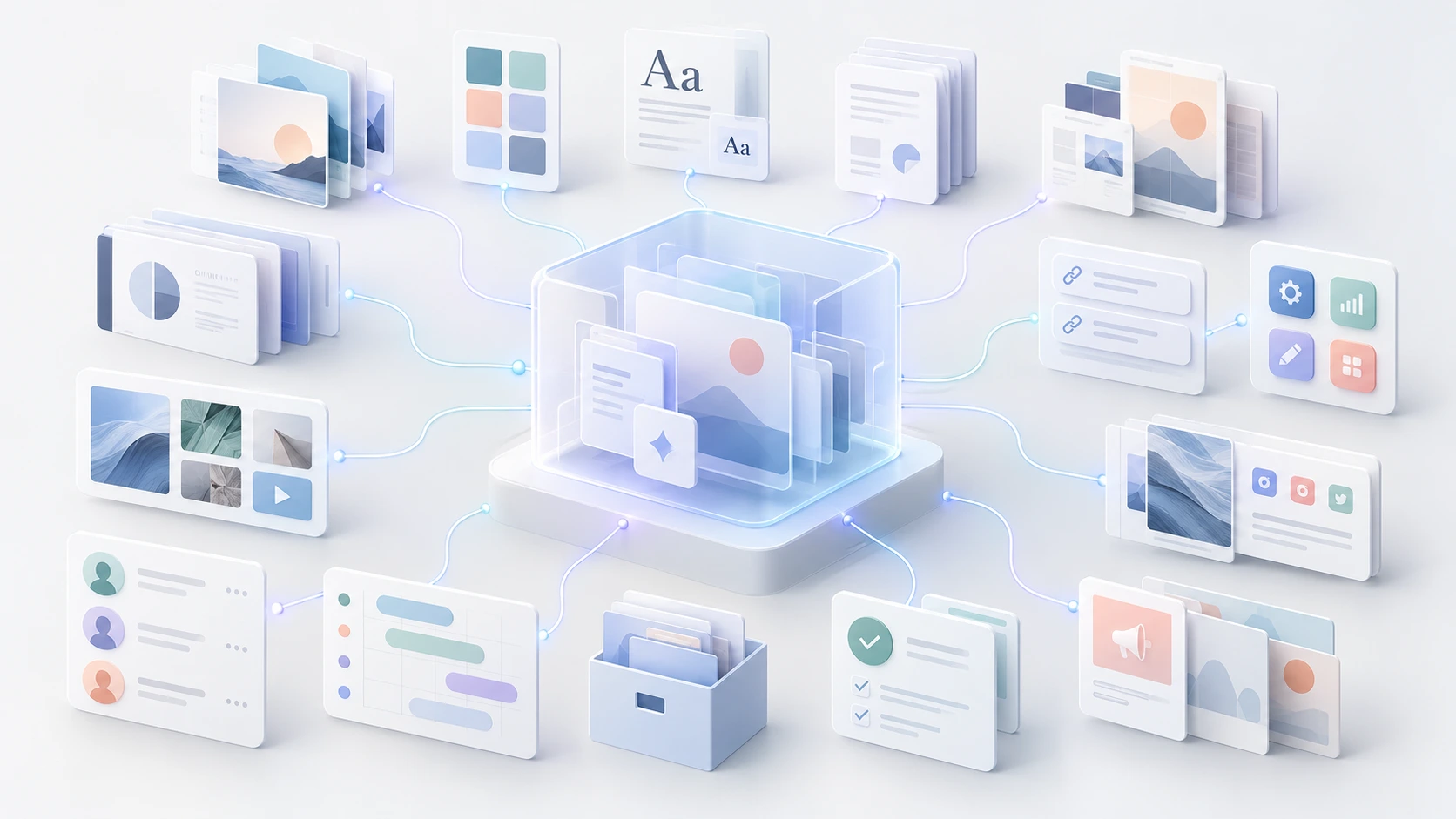
For agencies, the strongest approach is to connect knowledge with the actual brand and client it belongs to.
Instead of having:
Client information in one place
Brand assets somewhere else
Important links in Slack
Tools in bookmarks
Documents in another folder
create a centralized workspace around the client brand.
This gives employees one place to start when taking over an account.
Knowledge Should Stay With the Organization
Employees will leave.
That's a normal part of running a business.
The problem isn't employee turnover.
The problem is allowing important knowledge to leave with the employee.
A strong organization captures knowledge while people are still there and makes it accessible to the people who come next.
For agencies, this is particularly important because every employee may hold valuable context about multiple clients and brands.
How Awolan Helps Teams Preserve Client Knowledge
Awolan gives teams and agencies a centralized workspace for the client brands they manage.
Brand assets, documents, links, guidelines, and digital tools can be organized around each client brand instead of being scattered across disconnected locations.
So when someone joins the team—or someone leaves—the organization has a clearer record of the brand and the resources surrounding it.
The knowledge doesn't have to disappear with the person.
It stays with the team.